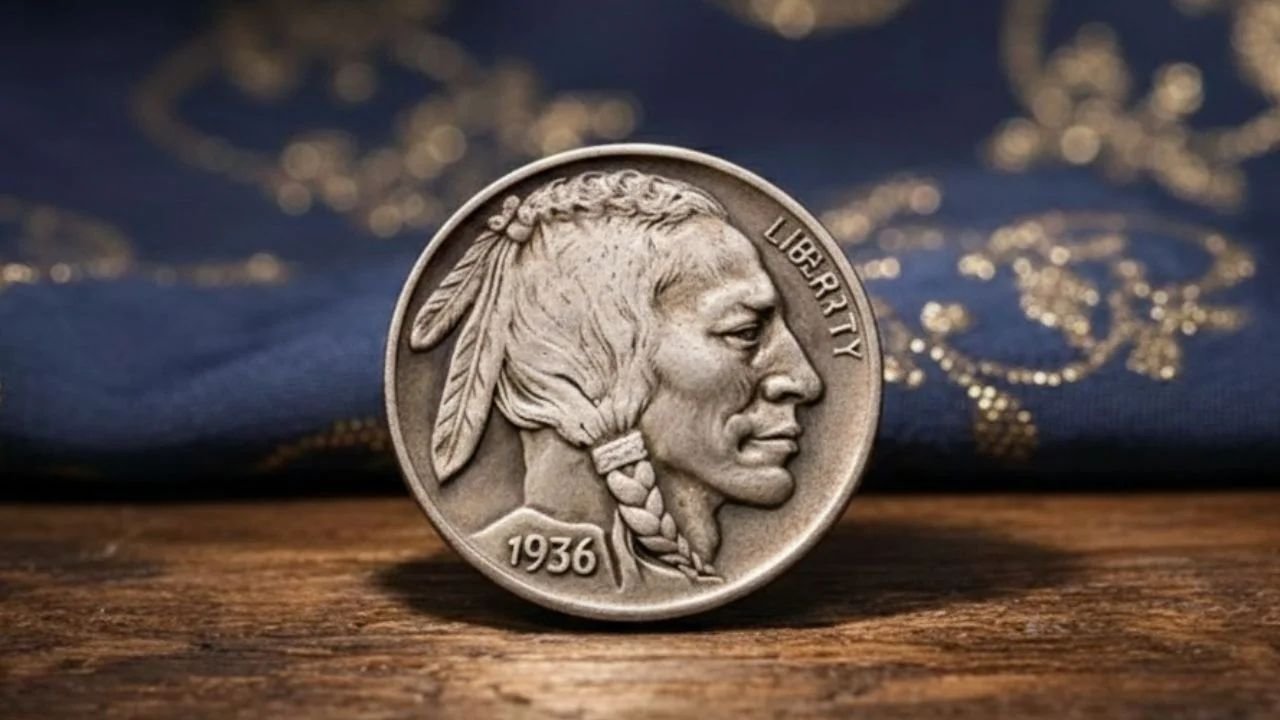
22 Rare Wheat Pennies Value Guide 2026: For more than a hundred years, the Lincoln Wheat Penny has held a special place in American coin collecting. Minted from 1909 to 1958, these small copper coins featuring two wheat stalks on the reverse are much more than outdated currency. They are everyday objects that quietly witnessed some of the most important chapters of the 20th century. In 2026, collector interest remains strong, fueled by nostalgia, historical curiosity, and the excitement that even an old jar of pennies might contain something rare and valuable. This guide is designed to help both beginners and experienced collectors understand which Wheat Pennies matter most today and why.
Why the Wheat Penny Became a Historic Coin
The Wheat Penny was introduced in 1909 to mark the 100th birth anniversary of Abraham Lincoln. It was a groundbreaking moment for U.S. coinage because it was the first regular-issue coin to feature the portrait of a real person rather than a symbolic figure. Designed by Victor David Brenner, the coin showed Lincoln on the front and two simple wheat ears on the back, representing national growth and agricultural strength. For nearly fifty years, these pennies passed through millions of hands, surviving the Great Depression, two World Wars, and massive social change, before being replaced by the Lincoln Memorial design in 1959. That long circulation history is a big part of their appeal today.
Lincoln Wheat Penny Key Information Table
| Attribute | Details |
|---|---|
| Years of Mintage | 1909–1958 |
| Designer | Victor David Brenner |
| Composition | 1909–1942, 1944–1958: 95% Copper |
| Special Year | 1943: Zinc-coated Steel |
| Weight | 3.11 grams |
| Diameter | 19 mm |
| Mint Marks | Philadelphia (none), Denver (D), San Francisco (S) |
| Famous Key Dates | 1909-S VDB, 1914-D, 1922 No D, 1931-S, 1955 Doubled Die |
| Value Factors | Rarity, condition, mint mark, errors, certification |
| Common Sources | Estate sales, dealers, auctions, old collections |
What Actually Makes a Wheat Penny Valuable
A Wheat Penny’s value depends on far more than its age. One major factor is mintage, as coins produced in lower numbers are naturally harder to find. Condition is equally important, since pennies with sharp details and original color are worth much more than heavily worn examples. Certain mint marks, especially from Denver and San Francisco, also increase scarcity. On top of this, rare varieties and minting errors can dramatically raise value. Professional certification by trusted grading services adds confidence and often boosts market prices by confirming authenticity and grade.
The Most Sought-After Wheat Penny Varieties
Among collectors, a few Wheat Pennies are considered legendary. The 1909-S VDB stands at the top because of its low mintage and the controversy over the designer’s initials. The 1914-D is another key date, prized due to its limited production and rarity in high condition. The 1922 No D penny is especially fascinating because its missing mint mark was caused by a worn die, creating a true mint error. These coins are essential goals for advanced collectors.
Famous Errors and Unusual Finds
Error coins add excitement to Wheat Penny collecting. The 1955 Doubled Die Obverse is one of the most famous errors in U.S. coin history, with bold doubling visible even without magnification. Wartime mistakes are also highly prized, such as the 1943 Bronze penny and the 1944 Steel penny, both created when coins were struck on the wrong metal blanks. These errors are rare, historically important, and often worth tens or even hundreds of thousands of dollars.
High-Grade and Semi-Key Dates Worth Watching
Not all valuable Wheat Pennies are extreme rarities. Some semi-key dates from the 1930s, including the 1931-S, are difficult to find in uncirculated condition because of heavy use during hard economic times. Later coins like the 1955-S are common in worn condition but can be quite valuable when found with full original red luster. Collectors often focus on upgrading these coins as their collections mature.
How to Build and Evaluate Your Collection
Many collectors begin by searching bank rolls or inherited coins, gradually filling a date-and-mint album. As knowledge grows, attention shifts to quality over quantity. To estimate value, collectors often consult price guides like the Red Book and study recent auction results to see what coins actually sell for. If a coin appears rare or unusually well preserved, professional grading is strongly recommended to protect against counterfeits and establish market trust.
The Outlook for Wheat Pennies in 2026 and Beyond
The future of Wheat Penny collecting looks healthy and stable. New collectors continue to enter the hobby because the coins are affordable, historical, and widely available. At the same time, high-grade and certified examples have shown steady demand. In a digital world, the appeal of holding a small piece of tangible history keeps Wheat Pennies relevant and deeply human as collectibles.
Frequently Asked Questions (FAQ)
Is a silver-looking 1943 penny valuable?
Most 1943 pennies are steel and fairly common. However, a 1943 penny that appears copper-colored is a rare error and can be worth over $100,000.
What does VDB mean on a Wheat Penny?
VDB stands for Victor David Brenner, the coin’s designer. These initials were removed shortly after the 1909 release, making the 1909-S VDB especially valuable.
How do I identify a 1955 Doubled Die penny?
The doubling is very strong and visible on the date, “LIBERTY,” and “IN GOD WE TRUST.” Letters and numbers appear shadowed or doubled.
Should I get my Wheat Pennies graded?
Grading is usually worthwhile only for rare dates, major errors, or high-grade uncirculated coins. Common circulated pennies often are not worth the grading cost.
Where is the best place to sell a valuable Wheat Penny?
Reputable coin dealers, major auction houses, or well-known online platforms are the best options, especially for coins worth several thousand dollars or more.

The Lincoln Wheat Penny remains one of the most approachable and meaningful collectibles in American numismatics. Whether collected for history, enjoyment, or investment, these small coins continue to connect people across generations through stories hidden in copper.