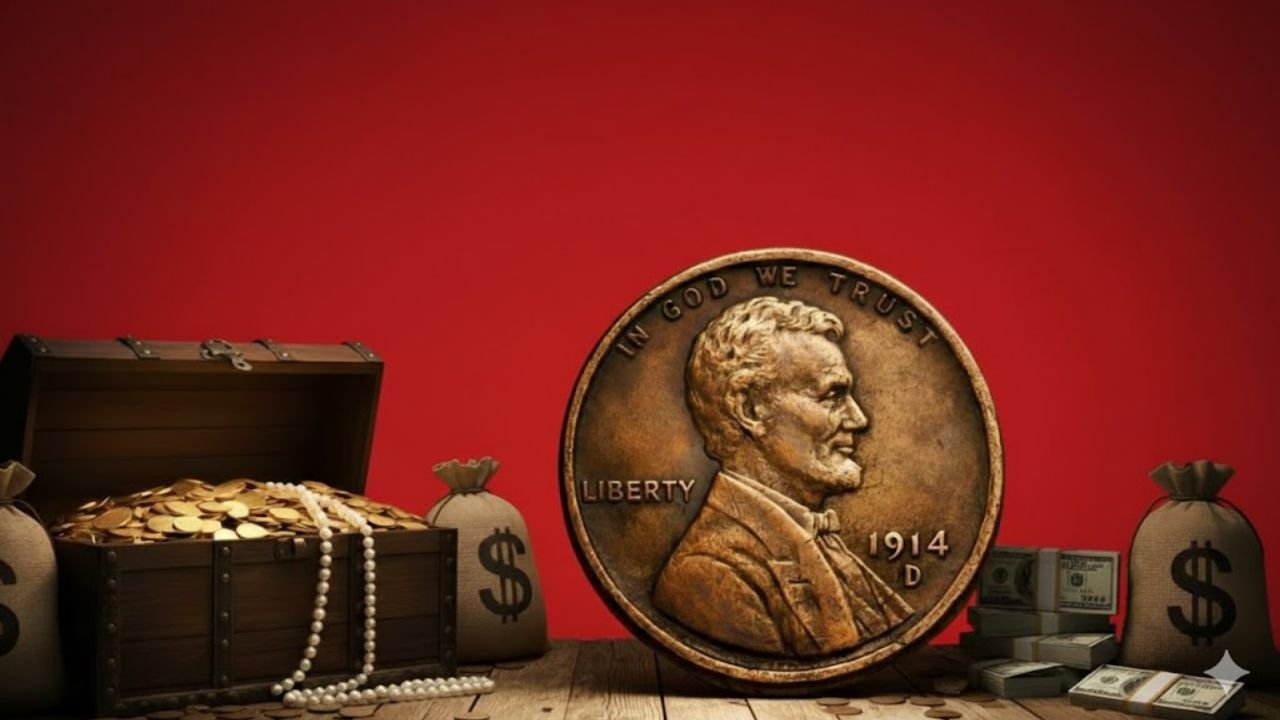
Lincoln Wheat Penny Worth $50K: Have you ever tossed a handful of pennies into a jar and wondered if any might be valuable? Well, some old pennies with wheat stalks on the back could actually be worth a small fortune. We’re talking about the Lincoln Wheat Penny, and certain rare ones have sold for $50,000 or more. Let’s dive into how you might spot one in your own pocket change!
The Story Behind the Wheat Penny
The Lincoln Wheat Penny first appeared in 1909 when Americans were celebrating the 100th birthday of President Abraham Lincoln. A talented artist named Victor David Brenner designed it, putting Lincoln’s portrait on the front and two pretty wheat stalks on the back. For nearly fifty years until 1958, these pennies jingled in pockets across America. People bought candy, newspapers, and ice cream with them. Today, they’re no longer made, which makes them super interesting to collectors who love owning a piece of American history.
Which Wheat Pennies Are Super Rare?
Not every old penny is worth big bucks, but some specific ones definitely are. The 1909-S VDB is famous because it has the designer’s initials on the back and was only made in San Francisco for a short time. The 1914-D from Denver is another tough one to find in good shape. Then there’s the weird 1922 penny that somehow left the mint without a mint mark. The 1931-S penny had very few made, so it’s special too. But the really famous ones? That’s the 1943 copper penny (most that year were steel) and the 1955 penny with double printing you can clearly see.
Why Are These Pennies Worth So Much Money?
You might wonder what makes a tiny penny worth more than a new car. It comes down to a few key things. Some pennies had very few made, so there just aren’t many around anymore. Others have cool mistakes like double lettering or missing marks that make them unique. The condition matters hugely too – a penny that looks fresh from the mint is worth way more than a beat-up one. And of course, collectors really want these for their collections, which pushes prices up even higher. When all these factors come together, you get a fifty-thousand-dollar penny!
How to Spot a Valuable Penny in Your Change
Want to start hunting? Here’s what you need to check on every old penny you find. First, look underneath the date for a tiny “S” or “D” – these mint marks can mean extra value. Second, pay attention to the year because certain dates like 1909, 1914, 1922, 1931, 1943, and 1955 are the ones collectors go crazy for. Third, grab a magnifying glass and check for weird doubling on letters or numbers – that could be a valuable error. And fourth, if your penny still looks bright and sharp with all details visible, you might have something special.
Wheat Penny Market in 2026
Right now in 2026, the wheat penny market is hotter than ever. Big auction houses keep selling rare examples for record prices, and collectors are fighting to get the best ones. What they really want are certified coins – ones that professional graders have looked at and sealed in special holders. People love these pennies partly because they remember them from childhood, partly because they’re rare, and partly because they might go up in value. It’s like owning a tiny piece of history that could also be an investment.
Tips for Beginning Penny Collectors
If you want to start your own wheat penny hunt, here are some simple tips to follow:

- Check every penny that passes through your hands, especially from old change jars or coin rolls from the bank
- Buy a cheap magnifying glass or jeweler’s loupe to spot tiny details and possible errors
- Look for pennies that haven’t been cleaned – collectors prefer natural surfaces with original color
- Store your best finds in soft plastic holders to protect them from fingerprints and damage
- Consider sending really promising coins to professional grading services for authentication
- Join online coin collecting communities where you can learn from experienced collectors
Lincoln Wheat Penny Fast Facts
| Coin Variety | Year | Mint Mark | Why It’s Special | Estimated Value |
|---|---|---|---|---|
| 1909-S VDB | 1909 | S (San Francisco) | First year, designer initials on back | $1,000 – $100,000+ |
| 1914-D | 1914 | D (Denver) | Very few made, hard to find in good shape | $500 – $40,000+ |
| 1922 No D | 1922 | None (should be D) | Mint forgot to add Denver mark | $1,000 – $50,000+ |
| 1931-S | 1931 | S (San Francisco) | Super low mintage, only 866,000 made | $100 – $15,000+ |
| 1943 Copper | 1943 | Usually none | Accidentally made in copper during war year | $100,000 – $500,000+ |
| 1955 Double Die | 1955 | Usually none | Clear doubling on date and letters | $1,500 – $125,000+ |
Frequently Asked Questions
Q: How can I tell if my old penny is a wheat penny?
A: Look at the back of the penny. If you see two stalks of wheat framing the words “ONE CENT,” you’ve got a wheat penny. Modern pennies have the Lincoln Memorial on the back instead.
Q: What’s the most valuable wheat penny ever found?
A: The 1943 copper penny is the holy grail. One sold for over $500,000 at auction! Only about 15-20 are known to exist because most 1943 pennies were made of steel to save copper for the war.
Q: Should I clean my old pennies to make them look better?
A: Never clean them! Collectors actually prefer pennies with natural aging. Cleaning scratches the surface and can ruin a coin’s value, even if it looks shinier to you.
Q: Where can I sell a valuable wheat penny if I find one?
A: You have several options. Coin dealers can make an offer, auction houses can sell it for you, or you can list it on reputable coin selling websites. Just get it authenticated first!
Q: How do I know if my penny has a double die error?
A: Grab a magnifying glass and look closely at the date and the words “LIBERTY” and “IN GOD WE TRUST.” If you see ghost-like double images, especially on the letters, you might have a valuable error coin.
Q: Are wheat pennies from the 1940s and 1950s worth anything?
A: Most common ones from these years are only worth 3-10 cents if they’re worn, but they’re still fun to collect! Some from these decades can be valuable if they’re in amazing condition or have errors.

The Thrill of the Hunt
The Lincoln Wheat Penny proves that you never know what treasure might be hiding in your piggy bank or stuck in an old drawer. Whether you find a common one worth just a few cents or strike it lucky with a rare $50,000 variety, these little coins connect us to a different time in America. So next time you get change at the store or sort through that jar of pennies on your dresser, take an extra second to look at the dates and the back. Your ticket to a small fortune might be sitting right there in your hand!