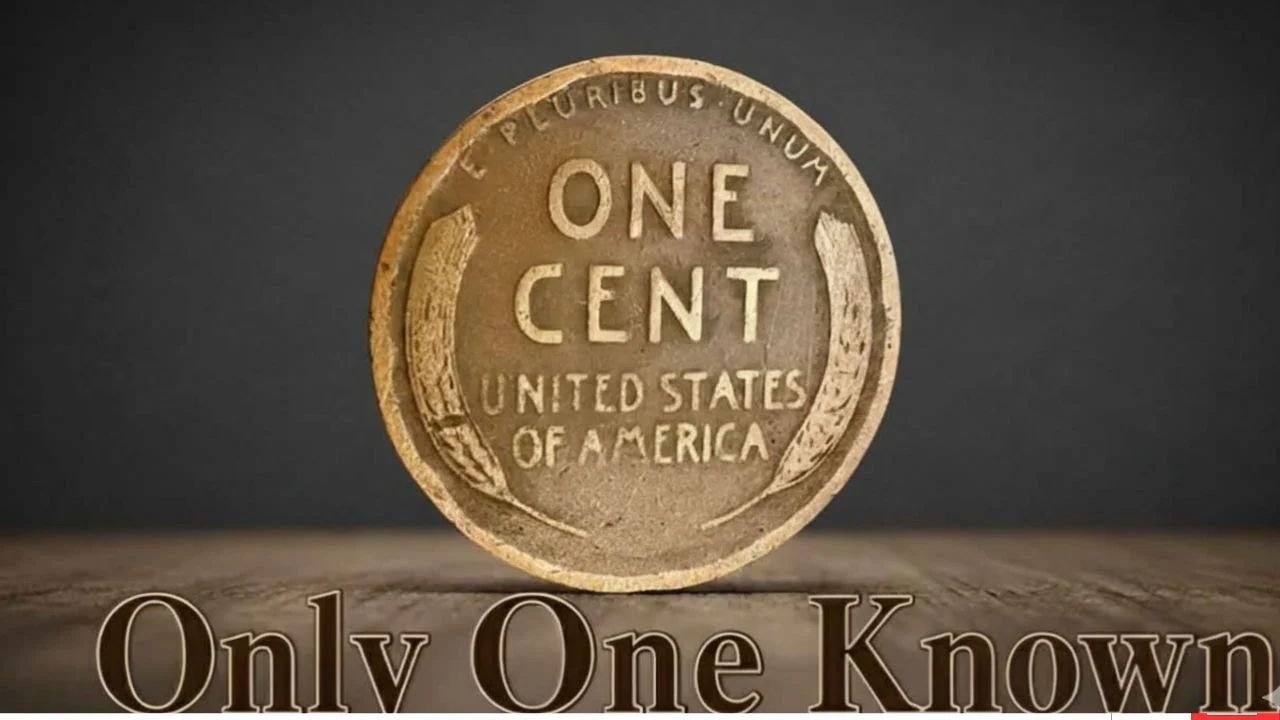
The Lincoln Wheat Penny is one of the most recognized and emotionally connected coins in American history. Minted from 1909 to 1958, it featured the portrait of Abraham Lincoln on the front and two wheat stalks on the back, a design that millions of people saw and used in everyday life. While most Wheat Pennies are common and affordable, a very small number have reached legendary status among collectors. One exceptional example has even been valued as high as $867,000, proving that an ordinary-looking penny can sometimes hold extraordinary worth.
How the Lincoln Wheat Penny Changed U.S. Coinage
When the Lincoln cent debuted in 1909, it marked a turning point in American coin design. For the first time, a real historical figure appeared on a regular-issue U.S. coin, honoring the 100th anniversary of Lincoln’s birth. Sculptor Victor David Brenner created a design that felt both respectful and approachable. The wheat ears on the reverse symbolized national growth and agricultural strength. Over nearly fifty years of production, these pennies passed through periods of war, economic hardship, and recovery, becoming deeply woven into everyday American life.
Lincoln Wheat Penny Reference Information Table
| Attribute | Details |
|---|---|
| Years Minted | 1909–1958 |
| Designer | Victor David Brenner |
| Metal Composition | 95% copper (most years), 1943 zinc-coated steel |
| Weight | 3.11 grams |
| Diameter | 19 mm |
| Mint Marks | Philadelphia (none), Denver (D), San Francisco (S) |
| Key Value Drivers | Rarity, condition, errors, mint mark, certification |
| Famous Rarities | 1909-S VDB, 1914-D, 1922 No D, 1943 Copper, 1955 Doubled Die |
Why Some Wheat Pennies Are Worth So Much
The value of a Wheat Penny depends on a combination of factors rather than age alone. Rarity plays a major role, especially for coins struck in low numbers or at specific mints. Condition is equally important, as a sharply detailed, uncirculated penny can be worth thousands of times more than the same coin in worn condition. Errors and unusual varieties, such as doubled designs or coins struck on the wrong metal, add another layer of desirability. Historical context also matters, especially for wartime issues like the 1943 steel cents, which reflect major moments in U.S. history.
Wheat Penny Varieties That Command High Prices
Some Wheat Pennies are famous for their scarcity and stories. The 1909-S VDB is highly prized because of its low mintage and the brief appearance of the designer’s initials. The 1914-D is another tough coin to find, especially in high grades. The 1922 No D penny fascinates collectors because its missing mint mark was caused by a worn die, making it a true mint error. Among all, the 1943 copper penny stands out as one of the rarest U.S. coins, created by accident when copper blanks were mistakenly used instead of steel.
The Collector’s Path: Finding, Protecting, and Valuing Coins
Collecting Wheat Pennies can start in simple ways, such as checking inherited coins or searching bank rolls. As collectors gain experience, they often focus on upgrading quality rather than quantity. Proper storage is essential, as oils, moisture, and air can damage copper over time. For coins that appear rare or unusually well preserved, professional grading provides authentication and an official condition rating, which strongly influences market value and buyer confidence.
Frequently Asked Questions (FAQ)
How do I know if my Wheat Penny might be valuable?
Start by checking the date and mint mark under “ONE CENT” on the reverse. Compare it with known key dates and look closely at condition and color. Unusual features or errors are strong indicators of higher value.
Are Wheat Pennies still found in circulation today?
They are rare but not impossible to find. Most that appear in circulation are heavily worn, which is why finding one still excites collectors.
What does professional grading mean?
Grading is an expert evaluation of a coin’s condition on a 1–70 scale. A graded coin is sealed in a protective holder and confirmed as authentic, which greatly helps with resale and valuation.
What is the most valuable Lincoln Wheat Penny ever sold?
Some 1943 bronze pennies have sold for over $1 million at auction. The $867,000 figure usually applies to an exceptionally preserved example of a major rarity.

Is collecting Wheat Pennies a good investment?
Wheat Pennies can appreciate in value, but collecting is best approached as a long-term hobby. Knowledge, patience, and buying quality coins from trusted sources matter more than quick profits.
Final Thoughts
The Lincoln Wheat Penny shows how everyday objects can become historical treasures. Whether worth a few cents or hundreds of thousands of dollars, each coin carries a story shaped by time, people, and history. For collectors, the true reward lies not only in value but also in the connection these small copper coins create with America’s past.