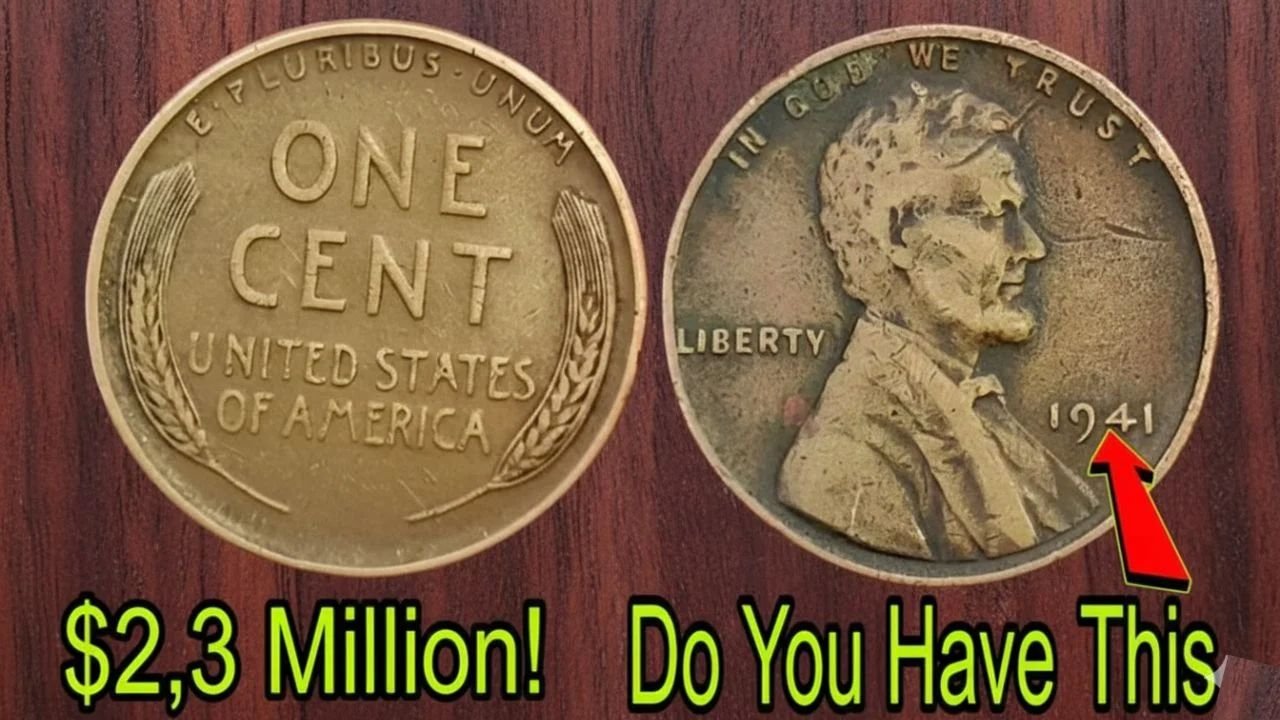
At first glance, the Lincoln Wheat Penny looks like an ordinary one-cent coin, but its story makes it anything but ordinary. Introduced in 1909 to honor the 100th birth anniversary of Abraham Lincoln, this coin marked a turning point in American coinage. For the first time, a real historical figure appeared on a U.S. circulating coin. Designed by Victor David Brenner, the penny featured Lincoln’s portrait on the front and two wheat stalks on the reverse, symbolizing growth and national strength. Over the decades, these coins quietly passed from hand to hand, witnessing everyday life as well as defining moments in American history.
Why the Lincoln Wheat Penny Matters in History
The release of the Lincoln Wheat Penny was more than just a design change—it reflected a cultural shift. Until then, U.S. coins mostly showed symbolic figures. Honoring Lincoln made history feel personal and relatable. These pennies circulated through the Great Depression, World War I, and World War II, becoming one of the most familiar objects in daily commerce. When the design changed in 1959 to feature the Lincoln Memorial, Wheat Pennies instantly became collectibles. Each surviving coin today carries visible signs of its long journey through the 20th century.
Rare Dates and Varieties That Drive High Value
Most Wheat Pennies are worth only a small premium over face value, but a few rare issues can be worth thousands—or even hundreds of thousands—of dollars. Coins from years with low mintages, missing mint marks, or dramatic minting errors are especially desirable. These rare examples are the reason collectors carefully inspect old jars of pennies, hoping to uncover a hidden treasure.
Lincoln Wheat Penny Value Chart (Key Dates & Errors)
| Year & Mint Mark | Key Feature | Estimated Value Range | Why It’s Valuable |
|---|---|---|---|
| 1909-S VDB | “S” mint mark with VDB initials | $600 – $3,500+ | Very limited issue before initials were removed |
| 1914-D | Denver mint, low mintage | $200 – $15,000+ | Scarce, especially in high grades |
| 1922 No D | Missing mint mark | $500 – $35,000+ | Caused by a worn Denver die |
| 1931-S | San Francisco mint | $70 – $1,800+ | Low production during the Great Depression |
| 1955 Double Die | Strong doubling on date and letters | $1,500 – $15,000+ | One of the most famous U.S. coin errors |
| 1943 Bronze | Copper instead of steel | $100,000 – $250,000+ | Accidentally struck on leftover bronze planchets |
What Truly Determines a Wheat Penny’s Value
A Wheat Penny’s value depends on three main factors: rarity, condition, and errors. Rarity comes from limited production or unusual variations. Condition, often called grade, measures how well the coin has survived over time—coins with sharp details and original color are far more valuable. Errors such as double dies or wrong metal strikes create unique coins that collectors eagerly compete for. When all three factors align, a simple penny can become a six-figure collectible.
Understanding Coin Grading in Simple Terms
Coin grading may sound technical, but it’s essential for understanding value. Professional services use a 70-point scale, ranging from heavily worn coins to flawless mint-state examples. They evaluate details like surface quality, sharpness, and overall appearance. Professionally graded coins are sealed in protective holders, giving buyers confidence in authenticity and condition. For beginners, learning basic grading skills can make collecting more enjoyable and rewarding.
How to Start or Grow a Wheat Penny Collection
Collecting Lincoln Wheat Pennies is one of the most approachable hobbies in numismatics. Many collectors start by building a year-and-mint set from 1909 to 1958. Old family collections, inherited coins, and even pocket change can be great starting points. A magnifying glass, a reliable price guide, and participation in coin communities can help collectors learn faster. Beyond money, the real reward lies in the connection to history and the excitement of discovery.
Frequently Asked Questions (FAQ)
Q1. How can I tell if my Wheat Penny is valuable?
Check the year and mint mark, then compare it with known key dates. Look for unusual features like doubling or missing letters, and assess the coin’s overall condition.
Q2. Where should I sell a rare Wheat Penny?
High-value coins are best sold through reputable auction houses or trusted coin dealers. Common Wheat Pennies can be sold at local coin shops or online marketplaces.
Q3. Is professional grading worth it?
Grading is most useful for rare dates, high-quality coins, or confirmed error coins. For common, worn pennies, grading costs may exceed their value.

Q4. What does a “Double Die” error mean?
It means the coin die was misaligned during creation, causing a noticeable doubling of the design, especially on the date and lettering.
Q5. Why do some 1943 pennies look silver instead of copper?
In 1943, pennies were made from steel to save copper for wartime needs. Rare bronze versions were struck by mistake and are extremely valuable.
The Lasting Appeal of the Lincoln Wheat Penny
The Lincoln Wheat Penny is more than a collectible—it’s a piece of shared history. Each coin reflects the era it passed through and the people who once used it. Whether worth a few cents or hundreds of thousands of dollars, these pennies remind us that extraordinary value can sometimes be hidden in the most ordinary places.