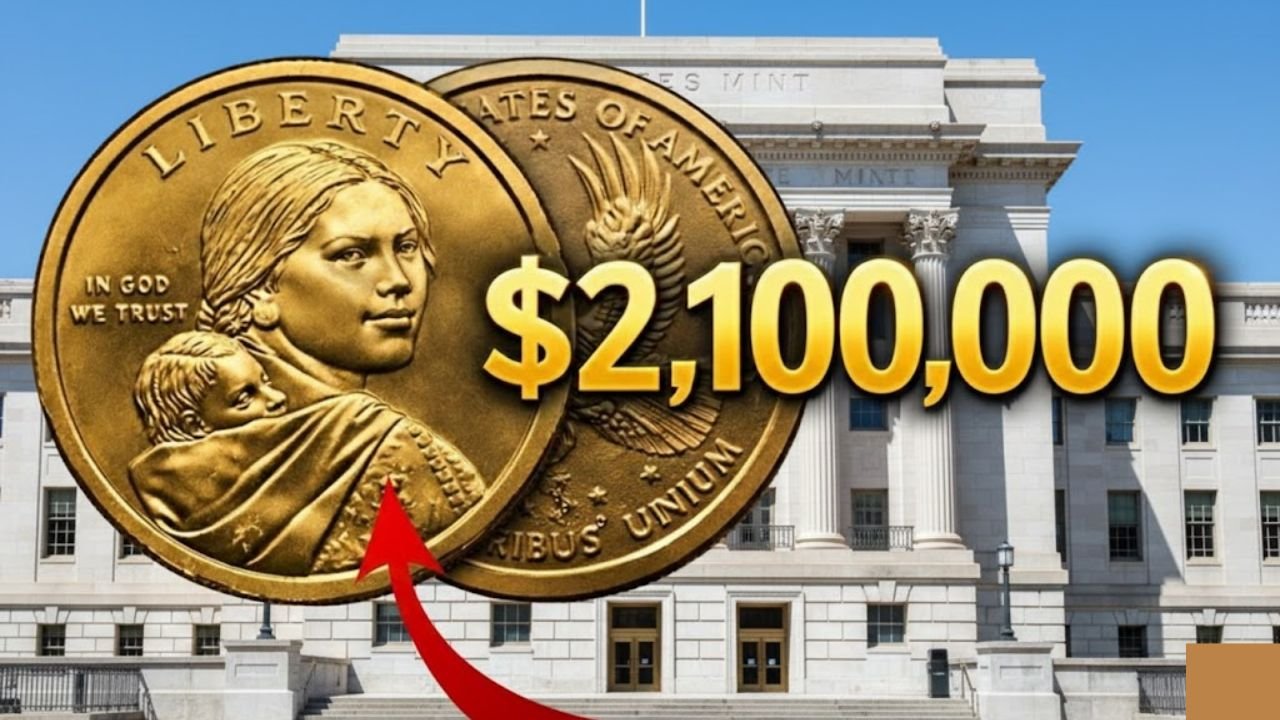
Sacagawea Dollar 2026 Value Guide: Ever heard of Sacagawea? She was a Shoshone woman who helped explorers Lewis and Clark find their way across the American West. In 2000, the U.S. Mint decided to put her face on a brand new dollar coin. The design shows Sacagawea carrying her baby son on her back – pretty cool, right? Artist Glenna Goodacre created the portrait, and it’s considered one of the most beautiful coin designs in modern history. The back of the coin originally showed an eagle flying, but since 2009 they’ve changed it each year to celebrate different Native American stories and contributions.
Why Most Sacagawea Dollars Are Just Worth a Buck
Here’s the honest truth: if you find a regular Sacagawea dollar in your change jar, it’s probably worth exactly one dollar. The mint made billions of them, and most never even got used because people just weren’t into dollar coins. You can still find them sitting in bank vaults and collection bins everywhere. But before you write them off as boring pocket change, know this – some rare versions of this same coin have sold for absolutely insane money. We’re talking hundreds of thousands, and in one famous case, over two million dollars.
The Million-Dollar Mistake That Changed Everything
So what makes a Sacagawea dollar worth $2.1 million? It’s all about mistakes – specifically something collectors call a “mule error.” Imagine someone accidentally using the wrong stamp at the mint. That’s exactly what happened in 2000 when some Sacagawea dollars were struck with the front design of a Washington quarter instead of the correct one. These messed-up coins are incredibly rare – maybe only a handful exist. When one of them shows up in good condition, wealthy collectors go crazy trying to buy it. That’s how a simple mistake becomes a million-dollar treasure.
2026 Sacagawea Dollar Value Guide at a Glance
| Coin Type | Year | Condition | Estimated Value | Why It’s Special |
|---|---|---|---|---|
| Regular Circulation | 2000-2026 | Worn/Circulated | $1 – $5 | Spent as normal money |
| Regular Circulation | 2000-2026 | Uncirculated/Mint State | $10 – $50 | Never used, still shiny |
| Proof Versions | Various | Perfect/PR70 | $50 – $200 | Made for collectors |
| Special Native American Designs | 2009-2026 | Uncirculated | $500 – $5,000 | Limited production |
| Mule Error (Quarter/Sacagawea) | 2000 | Any condition | $100,000 – $2,100,000 | Wrong front design |
| Burnished Strikes | Various | Mint State | $100 – $1,000 | Special satin finish |
Smart Collector Tips for Finding Hidden Treasure
• Always check the date and look for weird stuff – off-center strikes, doubled letters, or anything that looks “wrong”
• Buy a cheap magnifying glass or jeweler’s loupe to spot tiny details regular eyes miss
• Keep an eye on coin forums and social media groups where collectors share recent discoveries
• Never, ever clean your coins – cleaning scratches the surface and destroys collector value
• Store finds in soft plastic holders called “flips” to protect them from fingerprints and air
• Learn the different Native American reverse designs – some years are much rarer than others
• Consider professional grading if you find something that looks perfect or really unusual
Frequently Asked Questions About Sacagawea Dollars
Q: How can I tell if my Sacagawea dollar is one of the rare error coins?
A: Look closely at the front (obverse) of the coin. If it shows George Washington instead of Sacagawea, you’ve hit the jackpot. Also check for doubled letters, missing design elements, or coins that look like they were struck on the wrong metal.

Q: What’s a mule error and why is it so valuable?
A: A mule error happens when a coin is struck using two different die types that weren’t meant to be paired – like using a quarter die on one side and a dollar die on the other. These mistakes are super rare because mint workers usually catch them fast.
Q: Are Sacagawea dollars still being made today?
A: Yes, but only for collectors. Since 2009, the mint has produced Sacagawea dollars with special Native American themes on the reverse. You won’t really find them in regular change anymore unless someone spends them.
Q: What does “burnished” mean when talking about these coins?
A: Burnished coins have a special satiny finish because they were polished with tiny beads before striking. They look different from regular shiny coins and are usually sold directly to collectors, not released into circulation.
Q: Should I get my Sacagawea dollar graded by a professional service?
A: Only if it looks perfect (no scratches or marks) or if you suspect it’s an error coin. Grading costs money – usually $20 to $50 – so it’s only worth it if your coin might be valuable.

Q: Why weren’t Sacagawea dollars more popular with the public?
A: Same problem as the Susan B. Anthony dollar – people confused them with quarters. Vending machines had trouble accepting them, stores didn’t like handling them, and Americans were just used to using paper dollars instead.
The Bottom Line on Sacagawea Dollars
Most Sacagawea dollars sitting in drawers and coin jars are worth exactly one buck – nothing more, nothing less. But that’s what makes coin collecting so exciting. Somewhere out there, a few rare error coins are still waiting to be discovered. Maybe one is hiding in an old collection, a garage sale bin, or even your grandma’s piggy bank. The $2.1 million mule error proves that modern coins can become legendary treasures when rarity and mistakes come together. So next time someone hands you a golden dollar, take a second look. You never know what you might find.