Top 5 Ultra Rare Lincoln Pennies: Hey everyone! You probably don’t think twice about pennies. They’re those copper coins that pile up in your car cup holder or that jar on your dresser, right? Well, here’s the thing – some of those little coins could actually be worth a life-changing amount of money. We’re talking hundreds of thousands of dollars. Seriously. The Lincoln penny has been around since 1909. That’s over 100 years of history sitting in people’s pockets. A guy named Victor David Brenner designed it, and it was the first US coin to show a real person (Abraham Lincoln, obviously). Since then, billions have been made, but a tiny handful are super rare and valuable. Let’s check out the top five.
Quick Facts: Rare Lincoln Pennies at a Glance
| Coin | Mint Mark | What to Look For | What It’s Worth | Why So Rare |
|---|---|---|---|---|
| 1909-S VDB | S (under date) | Initials “VDB” on back near bottom | $600 – $25,000+ | Public complained about initials, so production stopped early |
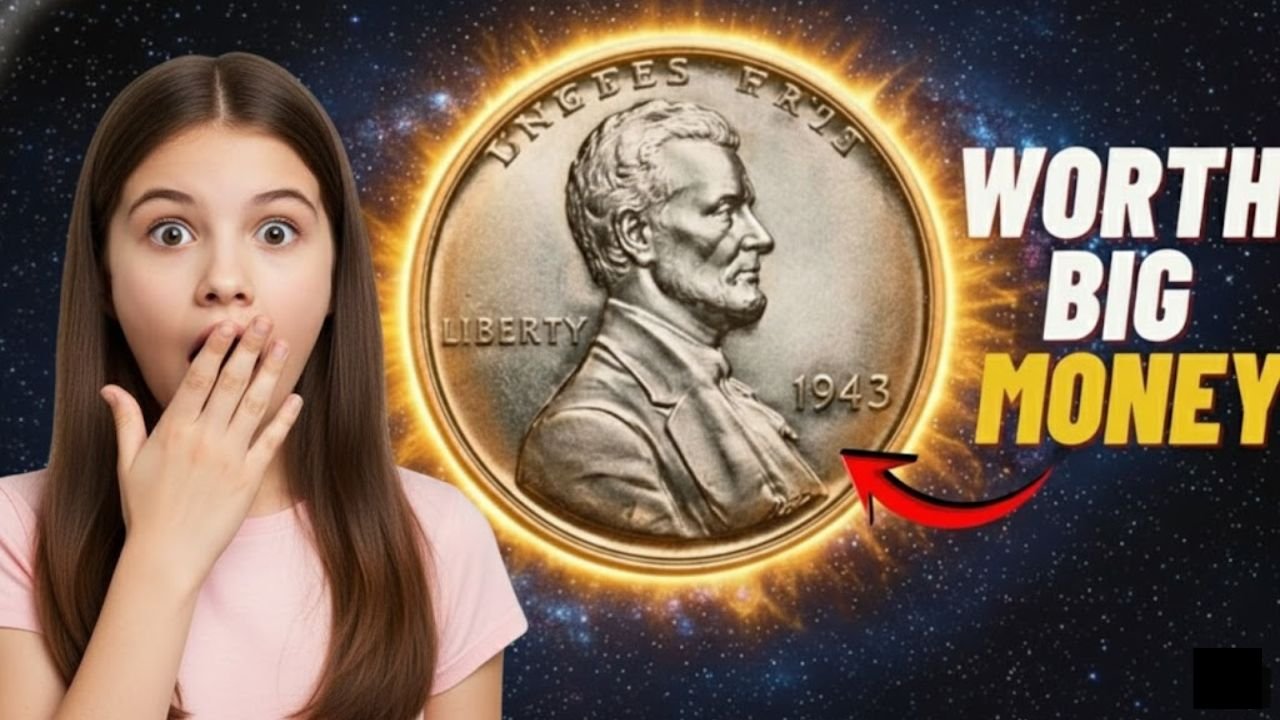
| 1943 Copper | Any (D, S, or none) | Bronze color, stick to a magnet? (real ones won’t) | $100,000 – $1,000,000+ | Leftover copper blanks used during steel penny year |
| 1955 Double Die | None (Philadelphia) | Blurry doubled letters and date on front | $1,000 – $25,000+ | Major mess-up when making the die |
| 1969-S Doubled Die | S | Obvious doubling on “LIBERTY” and date | $30,000 – $75,000+ | Super rare, only a few known to exist |
| 1982-D Copper Small Date | D | “Small Date” style, weighs about 3.1 grams | $2,000 – $15,000+ | Wrong metal used during switch to zinc |
The 1909-S VDB: The One That Started It All
So when the Lincoln penny first came out, Brenner put his initials “VDB” on the back. Pretty standard for an artist to sign their work, right? Wrong. People got upset. They thought the initials were too big and took away from the design. The San Francisco mint had already made a bunch with the initials, but they had to stop immediately. That means only a small number of the 1909-S VDB pennies exist today. If you find one, you’re looking at serious cash.
The 1943 Copper Penny: A Wartime Mistake
World War II changed everything – even pennies. Copper was needed for war stuff (like electrical wiring and shell casings), so the mint switched to making pennies out of steel coated with zinc. But here’s where it gets crazy. A few copper planchets (that’s what blank coins are called before they’re stamped) from 1942 got stuck in the machines. When 1943 came around, those copper blanks got stamped with the new date. So there are like 40 of these copper pennies from a year when they were supposed to be steel. Finding one is basically winning the lottery.
The 1955 Double Die Obverse: When the Machine Messed Up
This penny looks like you’re seeing double after staring at your phone too long. During production, the die (the thing that stamps the coin) got misaligned. When it struck the coins, it created a doubled image. You can clearly see the date “1955” looking blurry and doubled, and even Lincoln’s profile and the word “LIBERTY” have that double vision effect. Coin collectors go absolutely crazy for these because the error is so easy to spot.

The 1969-S Doubled Die: The Controversial Coin
Here’s a cool story. When these first showed up, nobody believed they were real. The mint actually thought they were fakes! But after investigation, they turned out to be genuine mint errors. The doubling on these is super obvious, especially on the date and the words. The thing is – there are hardly any of them. Like, maybe a handful exist. That’s why they’re worth so much money.
The 1982-D Copper Small Date: The End of an Era
1982 was a big year for pennies. That’s when the mint stopped making them mostly from copper and switched to zinc with a thin copper coating. But during the changeover, some coins got mixed up. A few “Small Date” pennies from the Denver mint were accidentally struck on the old copper planchets instead of the new zinc ones. You can tell the difference by weight – copper ones weigh about 3.1 grams, while zinc ones are only 2.5 grams. It’s like the last gasp of the real copper penny.
Tips for Beginner Penny Hunters
If you want to start looking for these treasures, here’s what you need to know:

- Get a magnifying glass – like one that zooms in at least 10x. You’ll need it to see details and mint marks
- Never ever clean old coins! This actually ruins their value. Collectors want them exactly how they were found
- Learn the weight differences – a simple digital scale can help spot transitional errors
- Check every penny that looks weird – strange colors, blurry letters, or anything that just seems off
- Store your finds in those soft coin flips (little plastic holders) to keep them safe
Frequently Asked Questions
Q: Where do I even start looking for rare pennies?
A: Start with your own pocket change! Check coin star machines, ask family if you can look through their old jars, and hit up bank rolls. Just ask a bank for a roll of pennies – they’re usually cool about it.
Q: Are old pennies automatically worth money?
A: Nope. Being old doesn’t automatically make a coin valuable. It’s about rarity, condition, and whether it’s a special variety. Most old pennies are worth maybe a couple bucks, if that.
Q: What if I find something that looks rare?
A: First – don’t freak out and don’t clean it! Hold it by the edges. Do some research online. If you really think you’ve got something, you can send it to companies like PCGS or NGC. They’re the pros who officially grade coins.

Q: What exactly does “double die” mean?
A: It’s when the die (the stamp used to make coins) got messed up during manufacturing. The design got doubled, and then every coin stamped with that die has the same doubling. It’s not damage – it happened at the factory.
Q: How many 1943 copper pennies exist?
A: Experts think there are only about 40 of them total, counting all the mints. That’s why they’re so crazy valuable. One sold for over $1 million before!
Q: Is coin collecting expensive to get into?
A: Not at all! Looking through pocket change is free. You can start a cool collection with basically zero money. The expensive part only comes if you decide to buy rare coins later.

Why This Hobby Is Actually Pretty Cool
Here’s the thing about hunting for rare pennies – it’s not just about money. It’s like being a detective, but for history. Every time you pick up a penny, you’re holding something that could have been in someone’s pocket during World War II, or the 1950s, or when your grandparents were kids. Some people collect for the potential payoff. Others just love the hunt. Either way, it’s a hobby that costs nothing to start and might just surprise you. So next time you see a penny on the ground or get one in change, take a second to look at it. Check the date. Look for that mint mark. You never know – that little coin could have a big story to tell. And maybe, just maybe, it could be your lucky day.