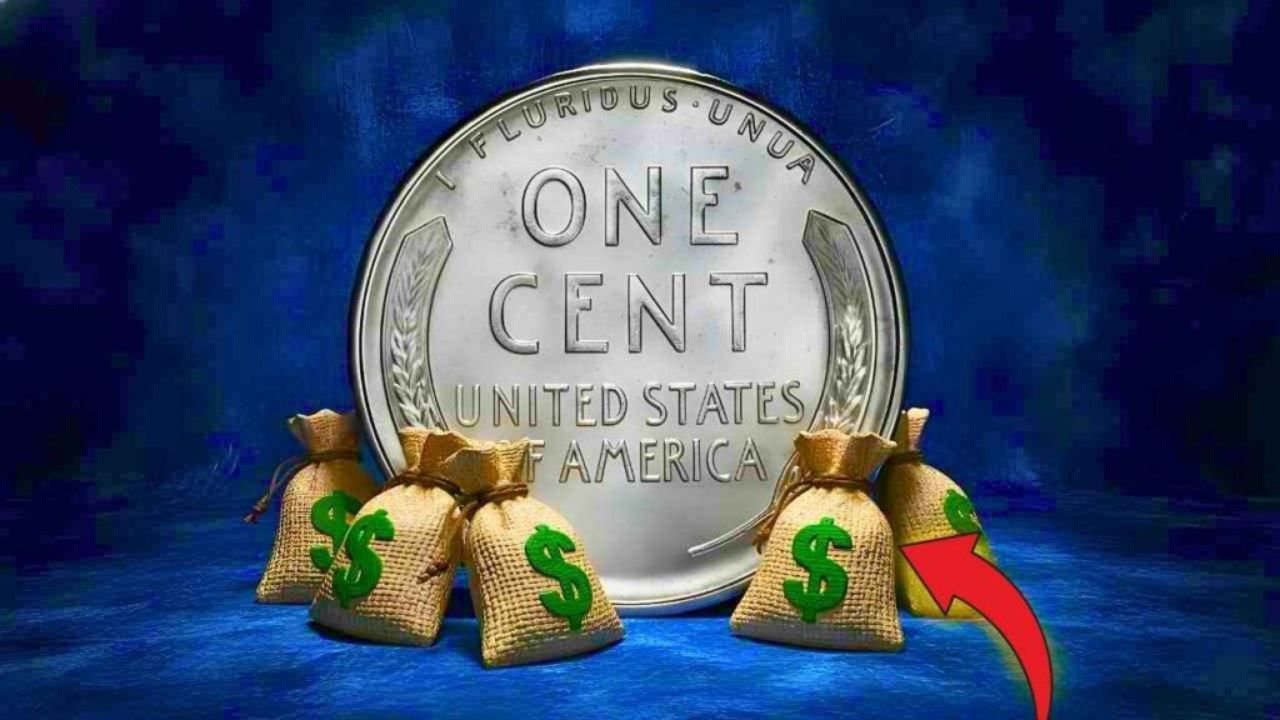
Wheat Penny Values in the Last 10 Years: Imagine finding an old penny in your grandpa’s coin jar that turns out to be worth more than a new iPhone. Sounds crazy, right? But it actually happens. The Lincoln Wheat Penny was made from 1909 to 1958, and some of these coins are now worth thousands of dollars. These pennies show Abraham Lincoln on the front and two wheat stalks on the back, which is why collectors call them “wheat cents.” Over the last ten years, more and more young people have started hunting for these coins. It’s like a real-life treasure hunt where the prize could be hiding in your own piggy bank. The best part? You don’t need to be a rich collector to get started. All you need is curiosity and a little bit of know-how.
Wheat Penny Facts at a Glance
Here’s a handy table that tells you everything basic about these coins. Keep this for reference when you’re checking your pocket change!
| Feature | Details |
|---|---|
| Years Made | 1909 – 1958 |
| Who Designed It | Victor David Brenner |
| What It’s Made Of | 1909-1942: 95% Copper, 5% Tin/Zinc 1943: Steel with zinc coating 1944-1958: 95% Copper, 5% Zinc |
| How Much It Weighs | 3.11 grams (except steel ones weigh less) |
| How Wide It Is | 19 mm (about the size of a dime, but thicker) |
| Front Design | Lincoln’s profile with “IN GOD WE TRUST,” “LIBERTY,” and the year |
| Back Design | Two wheat stalks around “ONE CENT” and “UNITED STATES OF AMERICA” |
| Super Rare Ones | 1909-S VDB, 1914-D, 1922 “No D,” 1931-S, 1943 Copper, 1955 Double Die |
| Common Ones Worth | 10 cents to 50 cents if worn out |
| What Collectors Hunt For | Rare dates, mint marks, condition, error coins, and pretty colored ones |
The Big Money Coins You Need to Know
Some Wheat Pennies are like the superheroes of the coin world. They’re rare, they’re special, and they can be worth crazy money. The most famous one is the 1909-S VDB. That year was the first time they put Lincoln on a penny, and only a few were made in San Francisco with the designer’s initials on the back. If you find one in perfect condition, it could sell for over $100,000 at auction. Another monster is the 1914-D from Denver. There just weren’t many made, so even a beat-up one is a big deal. Then there’s the 1922 “No D” penny. This happened when the Denver mint mark got worn off the stamping machine by accident. Coins without that little “D” look like they came from Philadelphia, but they’re actually super valuable errors. The 1931-S is another tough one to find because hardly any were made during the Great Depression when nobody had money for new coins.

The Weird World of War Pennies and Mistakes
During World War II, the US Mint had a problem. Copper was needed for making bullets and other war stuff, so they couldn’t use it for pennies anymore. In 1943, they made pennies out of steel with a zinc coating instead. These look silver and are actually magnetic! But here’s where it gets crazy. A few copper blanks from 1942 got stuck in the machines and were accidentally made into 1943 pennies. These copper error coins are like winning the lottery. One recently sold for over $200,000. The mint also made mistakes with doubled letters and numbers. The 1955 Double Die penny is the most famous. Look at the date and the words on the front – they appear twice, all blurry and doubled. Even a rough one costs hundreds of dollars. These error coins prove that sometimes the best treasures come from total accidents.
Tips for Young Coin Hunters
Starting your own collection doesn’t have to cost much. Here are some simple ways to get going:
- Check your change – Look through every penny that comes your way. Ask your parents, grandparents, and neighbors if they have old coins lying around.
- Go coin roll hunting – Get a box of pennies from the bank ($25 for 2,500 pennies) and search through them. Return the ones you don’t want and keep the wheat pennies.
- Look for key features – Always check the date, look for mint marks (small D or S under the year), and examine the letters for doubling or mistakes.
- Don’t clean your coins – This is super important! Cleaning ruins the surface and makes coins less valuable. Leave them exactly as you found them.
- Learn to grade – Coins in better condition are worth more. Look at the details on Lincoln’s suit and the wheat stalks to see how worn they are.
- Join a club – Find local coin clubs or online groups where you can learn from experienced collectors and maybe trade coins.
How the Market Has Changed Since 2016
The last ten years have totally changed how people collect coins. Back in the day, you had to go to coin shops or shows to find anything good. Now, everyone buys and sells online. Sites like eBay let you see what coins actually sell for, not just what price guides say. Grading services like PCGS and NGC have become the big bosses of the coin world. They put coins in plastic holders with a grade from 1 to 70, which tells you exactly how nice the coin is. This has made people more confident about spending big money because they know the coin is real and the grade is honest. Cool thing is, more teenagers and young adults are getting into coins now. They like the history, the detective work, and the chance to find something valuable. Social media groups share finds every day, keeping the hobby fresh and exciting.
Why These Old Pennies Matter
Wheat pennies aren’t just money. They’re little pieces of American history that fit in your pocket. Before 1909, US coins never showed real people. They had imaginary ladies and eagles. Putting Lincoln on the penny was a huge deal that honored a great president. The wheat stalks on the back celebrated America’s farms and the food that fed the nation. Every wheat penny you hold traveled through someone’s hands during world wars, the Great Depression, and the birth of rock and roll. When you collect these coins, you’re not just stacking copper. You’re saving stories. You’re touching the same kind of money that bought ice cream sodas in the 1920s or helped a soldier call home in the 1940s. That connection to the past is way cooler than any price tag.
Frequently Asked Questions
Q: I found a wheat penny. How can I tell what it’s worth?
A: First, check the date and look for a tiny D or S under the year. Then see how worn it is. Compare it to pictures online. For common ones in rough shape, they’re worth maybe 5-10 cents. For rare dates, you might need help from a dealer or an online coin community.
Q: What’s the most valuable wheat penny ever found?
A: The 1943 copper penny holds the record. Only about 20 are known to exist, and they’ve sold for more than $200,000 at auction. The 1909-S VDB in perfect condition can also hit six figures.
Q: Are steel 1943 pennies worth anything?
A: Yes, but not crazy money. A regular 1943 steel penny in good shape is worth about 50 cents to 5 dollars. If it’s in amazing condition, maybe 10-20 bucks. They’re common but still cool to find.
Q: What do the mint marks mean on pennies?
A: The little letter tells you which US Mint made the coin. D means Denver, S means San Francisco, and no letter means Philadelphia. Some years and mints made fewer coins, which makes them rarer and more valuable.
Q: Is collecting wheat pennies a good way to make money?
A: It can be, but you should collect because you enjoy it first. Most wheat pennies aren’t worth big bucks. But if you learn a lot and find the right coins, your collection could grow in value over time. Think of it as a fun hobby that might pay off later.
Q: Where should a beginner buy wheat pennies?
A: Start with local coin shops where you can actually see the coins before buying. Coin shows are great too. Online is okay but be careful. Look for sellers with good reviews and return policies. Avoid anyone who promises you’ll get rich quick.