The Lincoln Wheat Penny may look like an ordinary one-cent coin, but it actually carries a lot of history. These coins were made from 1909 to 1958 and show Abraham Lincoln on one side. On the back, you’ll see two wheat stalks, which stand for growth and farming. Over the last 10 years, more people have started collecting these coins again. Many collectors enjoy searching for rare ones because some are worth much more than one cent. Even kids and beginners can join this hobby with simple tools and patience. Wheat Penny Values in the Last 10 Years: Rare Coins, Market Trends, and Collector Insights
Why Some Wheat Pennies Are Rare
Not every Wheat Penny is valuable, but some special ones are very rare. Coins like the 1909-S VDB or 1914-D were made in smaller numbers, which makes them harder to find today. Another interesting coin is the 1922 “No D” penny, where the Denver mint mark is missing. Because of this mistake, it looks different from other coins. The 1931-S penny is also special because it was made during the Great Depression. Rare coins become more valuable when they are in better condition, so keeping them safe really matters.
Wheat Penny Quick Facts Table
| Feature | Details |
|---|---|
| Years Made | 1909 – 1958 |
| Designer | Victor David Brenner |
| Metal Type | Copper (mostly), Steel in 1943 |
| Weight | 3.11 grams |
| Diameter | 19 mm |
| Front Design | Abraham Lincoln |
| Back Design | Wheat stalks |
| Rare Examples | 1909-S VDB, 1914-D, 1922 No D |
| Error Coin | 1955 Double Die |
| Common Value | $0.10 – $0.50 |
| Rare Coin Value | Up to thousands of dollars |
The 1943 Steel Penny Surprise
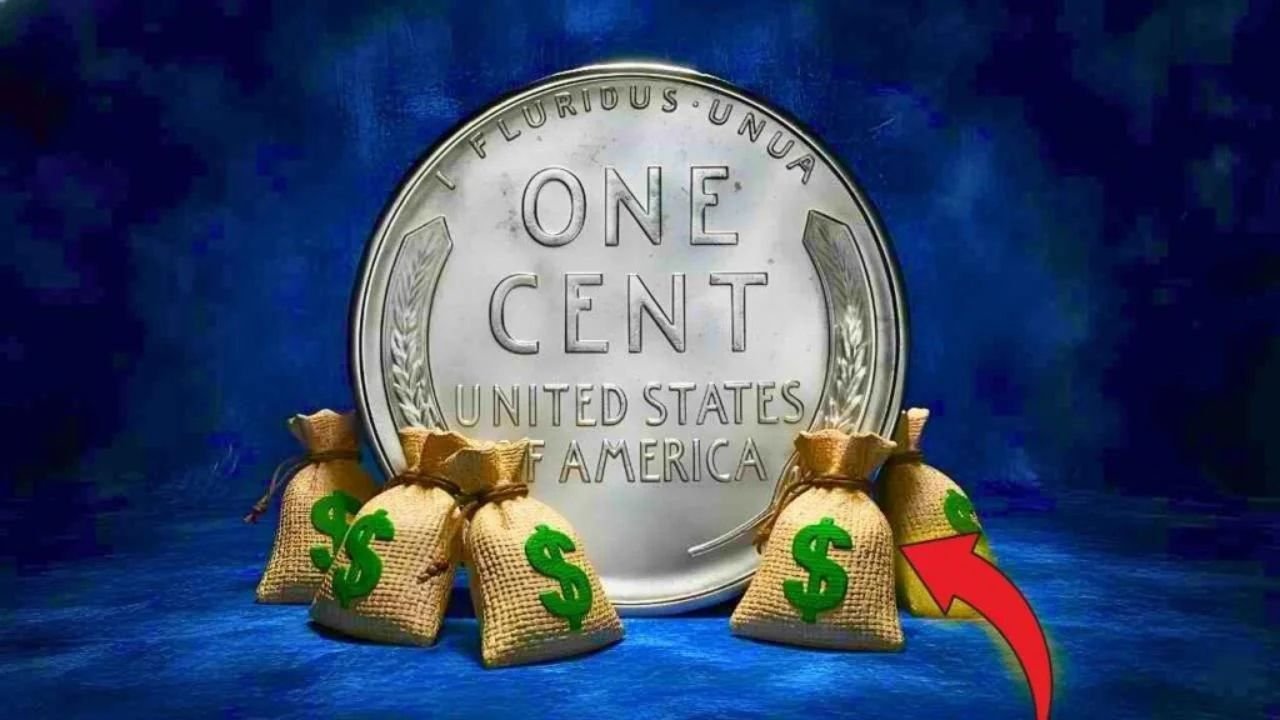
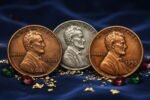
In 1943, something unusual happened. Because copper was needed for World War II supplies, the U.S. Mint made pennies from steel instead. These steel pennies look silver instead of brown. Most of them are common today, but a few copper pennies from 1943 were made by mistake. These are extremely rare and have sold for thousands of dollars at auctions. Over the past decade, the value of these rare coins has continued to rise. That’s why collectors always check their coins carefully.
Coins with Mint Errors
Some Wheat Pennies are valuable because of printing mistakes, also called mint errors. One famous example is the 1955 Double Die penny. On this coin, the date and letters look doubled because of a small minting error. Other errors include off-center designs and repunched mint marks. These mistakes make the coins unique and interesting to collectors. Many beginners enjoy finding error coins because they are like hidden treasures in everyday change.
Growing Interest in the Last 10 Years
Coin collecting has become easier thanks to the internet. Today, people can buy, sell, or learn about coins online. Grading companies like Professional Coin Grading Service and Numismatic Guaranty Company help collectors know the real value of their coins. Coins that are graded and sealed are often worth more money. Even with online tools, the fun of finding a rare coin in a jar or from the bank is still exciting.
Why Collectors Still Love Wheat Pennies
Wheat Pennies are more than just money. They are small pieces of history that connect us to the past. They were the first U.S. coins to show a real person instead of a symbol. Holding one can feel like holding a piece of the early 1900s. Many collectors keep them not just for value but for their story. As time passes, these coins continue to inspire new collectors of all ages.
Collector Tips and Special Features
If you want to start collecting Wheat Pennies, here are a few helpful tips:
• Always check the date and mint mark under the year
• Look for errors like doubled letters or missing marks
• Keep coins in a dry place to avoid damage
• Use a magnifying glass for better inspection
• Avoid cleaning old coins as it reduces value
• Store rare coins in protective holders
FAQ Section
Q1: How can I check my Wheat Penny’s value?
Check the date, mint mark, and condition, then compare it with coin value guides.
Q2: Are all 1943 pennies valuable?
No, only the rare copper ones are very valuable. Steel ones are common.
Q3: What do “S” and “D” mean on coins?
“S” stands for San Francisco and “D” stands for Denver mint.
Q4: Is the 1955 Double Die penny rare?
Yes, it’s one of the most famous error coins.
Q5: Can kids start collecting coins?
Yes, coin collecting is fun and easy for beginners of any age.
Q6: Where can I find Wheat Pennies today?
You can find them in old coin jars, shops, or online marketplaces.